Hard vs. Soft Shell Luggage Bags: Which Is Right for Your Next Trip?
When selecting luggage for journeys, one must assess the advantages of hard shell versus soft shell options. Hard shell luggage is celebrated for its safeguarding abilities, guarding delicate items. By contrast, soft shell luggage delivers lightweight comfort and adaptability. Each option addresses different requirements and preferences. Grasping these differences can substantially affect your travel experiences. What considerations should guide your decision? The answer may impress you as you examine your unique travel habits.
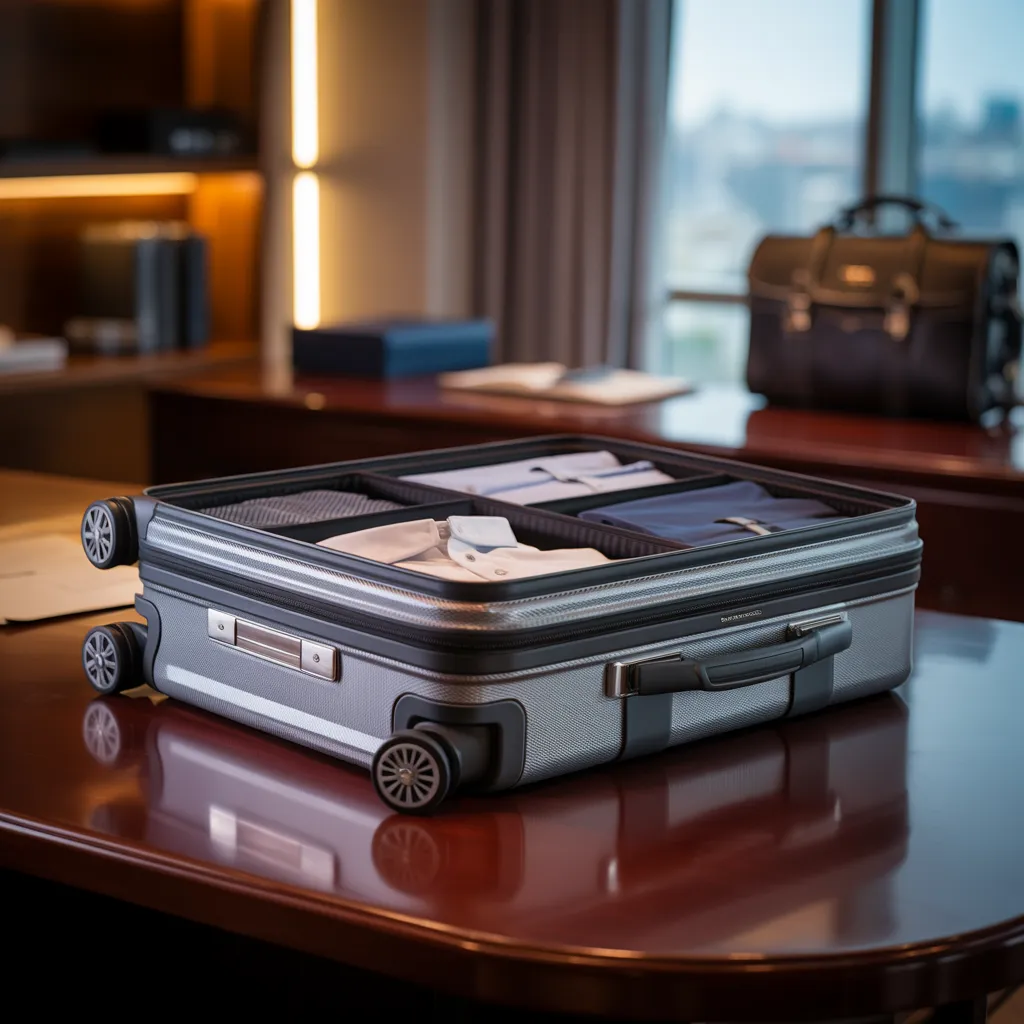
Hard Shell vs. Soft Shell: Which Is Best for You?
When deciding on hard shell and soft shell luggage, travelers often ask themselves which option best meets their needs. Hard shell luggage typically delivers a rigid exterior, offering superior protection for fragile items. This design can reduce stealing due to its resistant construction, making it desirable for those carrying valuable belongings. Conversely, soft shell luggage is generally more adaptable, allowing for more convenient packing in tight spaces and the ability to hold extra items. The cloth outer surface is often more lightweight, which can be advantageous for travelers concerned about weight limits.
Travelers also consider durability; hard shell choices might endure rough handling better, while soft shell varieties usually offer compartments and external pockets for organization. Ultimately, the choice copyrights on individual inclinations regarding security, weight, and packing convenience. Understanding the strengths and weaknesses of each type can help travelers make an informed decision tailored to their specific travel habits and requirements.
Perks of Hard Shell Luggage provide robust protection for your possessions. Hard shell luggage is durable and impact-resistant in nature. The reinforced outer layer defends your contents from impacts and marks. Hard shell luggage tends to be light next to soft-sided choices. You may place additional belongings without exceeding weight thresholds. The modern aesthetic of hard shell luggage appears professional and fashionable. Hard shell luggage features multiple hues and patterns to suit your taste.
Hard shell luggage offers considerable benefits for voyagers looking for durability and safeguarding for their belongings. Its robust design enhances resilience to impacts and severe conditions, guaranteeing that items remain secure during travel. Additionally, the longevity of hard shell materials often translates into a valuable investment for frequent adventurers.
Advanced Defensive Functions
Travelers in search of reliable protection for their belongings often select hard shell luggage, known for its sturdy design. These bags typically feature materials like polycarbonate or ABS, which provide a strong barrier against impacts and external forces. The hard outer shell effectively shields items from compression, piercing, and various forms of harm during transit. Additionally, many hard shell models are fitted with integrated locks, improving protection against theft. The smooth surface of hard shell luggage is also more resistant to water and dirt, making it easier to maintain and clean. Moreover, the stiffness of these bags enables efficient packing, ensuring that contents stay firmly positioned. Ultimately, hard shell luggage provides reassurance for travelers prioritizing protection.
Superior Robustness and Longevity
A prominent strength of hard shell luggage lies in its superior durability and longevity. Constructed from robust materials such as polycarbonate or ABS plastic, hard shell bags are built to withstand the rigors of travel, including impacts and abrasions. This toughness protects the contents inside, making hard shell options particularly appealing for frequent flyers. Unlike soft shell bags, which can easily succumb to wear and tear, hard shell luggage maintains its structural integrity over time. Additionally, their waterproof and stain-resistant properties help maintain the bag's appearance, ensuring it looks new for longer. Overall, the enhanced durability of hard shell luggage makes it a wise investment for travelers seeking reliability and longevity in their travel gear.
Perks of Soft Shell Suitcases
Soft shell luggage gives travelers a lightweight and flexible design, simplifying movement through congested airports and narrow aisles. Its expandable storage solutions allow additional packing space, providing space for souvenirs or extra gear. Additionally, the soft structure eases packing, enabling users to fit items snugly and efficiently.
Light-Weight and Flexible Framework
When commencing a trip, the choice of carry-ons can greatly improve the experience, particularly when choosing soft shell cases. Soft shell luggage is known for its light nature, making it easier for travelers to navigate busy airports or crowded streets. This light design markedly reduces the total weight of packed items, allowing more flexibility in what can be carried. Furthermore, the flexibility of soft shell bags allows them to conform to various storage spaces, whether in overhead compartments or car trunks. This adaptability is especially advantageous when moving through tight spaces or when packing quickly. Overall, soft shell luggage fuses practicality with comfort, catering to the dynamic needs of modern travelers.
Expandable Storage Alternatives
When traveling, the aptitude to expand luggage storage can be a turning point, notably with soft shell configurations. These bags often feature zippers or expandable sections that allow travelers to augment their storage capacity when required. This flexibility is particularly useful for those who may obtain souvenirs or pack additional clothing during their travels. Unlike hard shell luggage, which has a fixed size, soft shell options can adapt to various packing needs and situations. Additionally, many soft shell bags include external pockets, providing further coordination and easy access to essentials. This adaptability not only enhances convenience but also boosts packing efficiency, making soft shell luggage a preferred choice for many adventurers seeking versatile storage solutions.
Simple to Pack Goods
The flexibility of soft shell luggage defines its value, notably in terms of how easy it is to pack. The built-in flexibility of these bags permits travelers to fit oddly shaped items, making them perfect for various gear or clothing types. Their external pockets provide convenient access to essentials such as copyright, snacks, or electronics, removing the need to dig through the main compartment. Moreover, soft shell luggage frequently includes expandable sections, accommodating last-minute purchases or souvenirs. The lightweight design of these bags boosts portability, enabling travelers to move through crowded spaces with greater ease. In summary, soft shell luggage suits various packing requirements, making it a wise choice for adventurous spirits in need of efficient organization.
Picking Travel Bags Based on Travel Frequency and Type
What establishes the optimal luggage for your travel needs? The frequency and type of travel significantly impacts this selection. For regular travelers, durability and ease of movement become critical. Hard-sided luggage, with its robust exterior, offers protection for your belongings during frequent trips, while soft-sided options may offer lighter weight and flexibility for fast trips.
Occasional explorers might prioritize convenience, opting for easy-to-carry soft shell bags that can easily be put away or borne. Business professionals often require multi-use options, such as hybrid bags that hold both professional needs and personal items.
Adventure seekers, meanwhile, may take advantage of purpose-built soft shell bags designed for challenging environments. In the end, the decision regarding hard versus soft shell luggage should match individual travel patterns, ensuring that it meets the requirements of each journey while offering ease and dependability. Understanding one's travel frequency and type is essential for making the right decision.
Storage Space: Hard or Soft Shell?
Choosing the right luggage involves taking into account travel frequency and type along with storage capacity. Rigid suitcases typically offers a fixed amount of space due to its rigid structure. While this can create a sleek, streamlined appearance, it may limit the ability to pack oddly sized belongings. On the other hand, flexible suitcases provides more versatility, allowing people to squeeze in extra items or expand if needed. Its textile construction often incorporates outer compartments for extra space, boosting practicality.
Moreover, pliable shell bags tend to be lighter, which can be advantageous when complying with expert guide weight restrictions. Conversely, hard shell bags may provide a more organized packing experience with internal compartments. Ultimately, the choice between hard and soft shell luggage copyrights on individual packing habits and the need for adaptability during travel. Understanding these differences in storage capacity can greatly influence the efficiency of a traveler's packing strategy.
Durability and Defense: Important Distinctions
Durability and protection are critical considerations when choosing luggage, as they directly impact a traveler's journey. Hard shell luggage is typically made from materials like polycarbonate or ABS, providing excellent protection against impacts and severe environments. This rigid exterior protects belongings from crushing and offers better security against theft. Additionally, hard shell bags often include water-resistant surfaces, safeguarding contents from moisture.
Similarly, soft shell luggage is constructed from synthetic fabrics such as nylon or polyester. While usually less heavy and more supple, soft shell bags may not tolerate powerful strikes as effectively as their hard counterparts. However, they typically include extra organizational spaces and storage sections, advancing sorting and arrangement abilities. Travelers going with soft shell luggage may find it easier to fit into tight spaces, but they relinquish some measure of durability safeguards. Ultimately, the selection will copyright upon individual travel needs and the type of adventures planned.
Frequently Asked Questions
Is fixing a broken Hard Shell Suitcase possible?
Yes, a damaged hard shell suitcase can often be repaired. Depending on the wear, solutions include replacing zippers, mending cracks, or applying adhesive for minor scratches. Professional restoration options are also available for more significant issues.
What's the Best Way to Care for Soft Shell Luggage?
To sanitize soft shell suitcases, one should use a dampened cloth with mild soap, carefully scrubbing surface stains. Rinsing extensively and air-drying guarantees the fabric keeps its durability while removing dirt and odors effectively.
Do Hard Shell Bags Weigh More Than Soft Shell?
Hard shell bags are inclined to be heavier versus soft shell options. Their rigid materials furnish sturdiness and care, but this regularly leads to surplus heaviness, affecting the overall convenience of carrying for tourists.
What range of sizes Do Hard Shell Luggage feature?
Hard shell luggage typically comes in various sizes, such as carry-on, medium, and large configurations. These options cater to different travel needs, enabling travelers to choose based on duration and type of journey planned.
Is it possible to fit a flexible bag under an airplane seat?
In most cases, a adaptable bag can rest under an airplane seat, based on its dimensions. Travelers need to consult copyright specifications, as space restrictions may differ, making certain their bag satisfies the necessary measurements for passenger storage.